Medical Device Reprocessing: Your Practical Guide
The reprocessing of medical devices determines whether an instrument will be hygienically safe for use the next time it is used as intended. For healthcare facilities, this involves far more than just “cleaning and sterilizing”: It requires traceable processes, robust validations, and comprehensive documentation in accordance with KRINKO/BfArM recommendations, the MDR, and the Medical Device Operator Ordinance.
At SMP GmbH, we support you in this task. This guide summarizes the current state of knowledge regarding reprocessing, validation, and regulatory requirements, and provides you with a practical foundation for making your own decisions and optimizing your processes.
What exactly does “reprocessing of medical devices” mean?
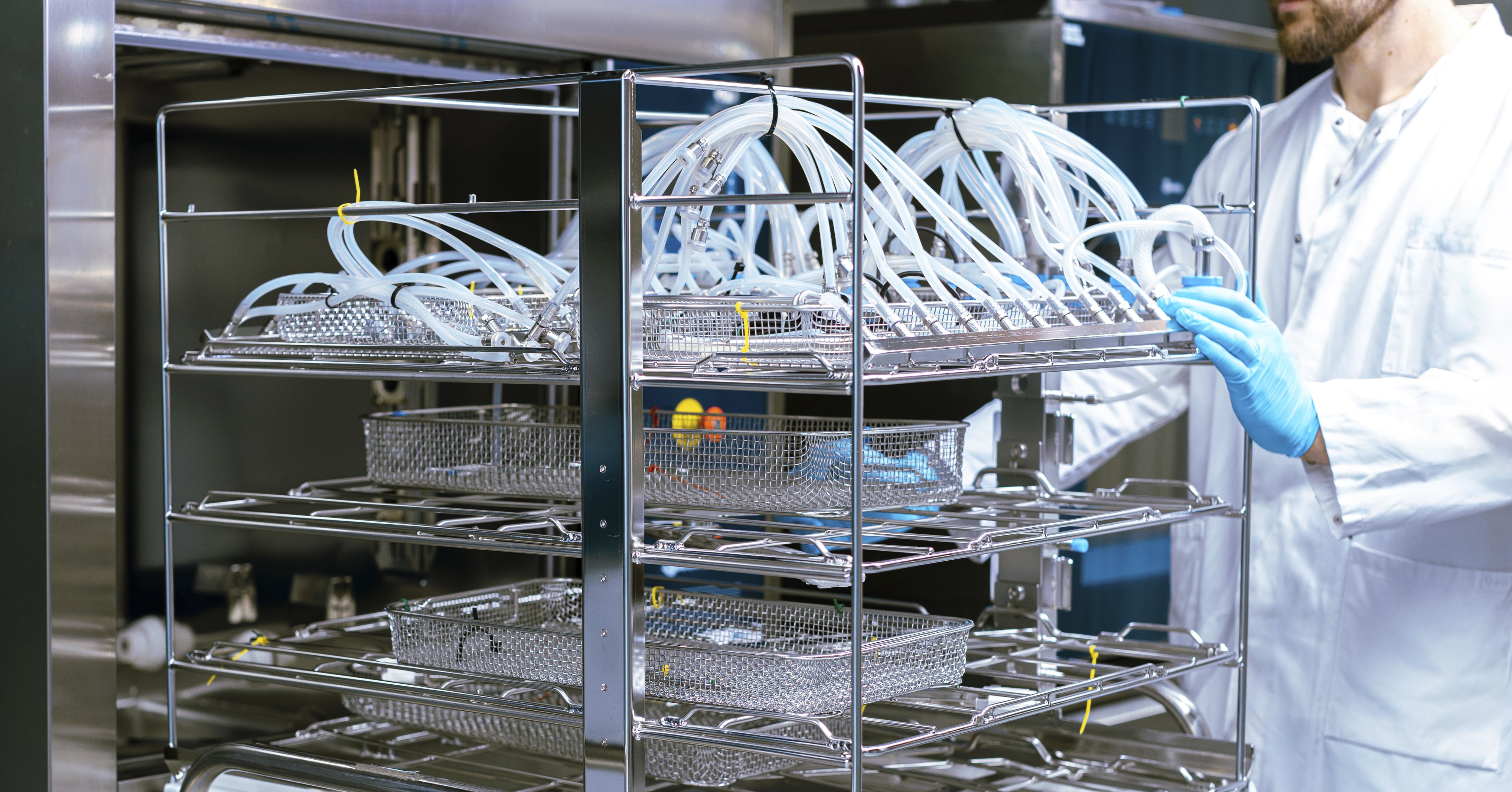
In professional circles, the term “reprocessing of medical devices” refers to the entire set of steps involved in restoring a used—and thus potentially contaminated—medical device to a safe condition for its next use. Typically, this includes:
- Cleaning
- Disinfection
- If necessary, steam sterilization or other sterilization methods
- Maintenance, testing of function and integrity
- Labeling, packaging, and storage
- Release for use with documentation
According to KRINKO/BfArM recommendations, reprocessing is not complete until documented release has been granted. An interim result—such as a surface that appears clean at first glance—is not sufficient without documented evidence of the effectiveness of the entire process.
For healthcare facilities, this means that the focus is not on individual steps, but on a validated overall process that has been demonstrated to function reproducibly.
Risk Classification as the Basis for Treatment
The requirements for reprocessing depend on the risk category of the medical device. For example, the Spaulding classification is a standard model for categorizing medical devices based on their infection risk. It was developed in 1939 by Earle H. Spaulding and serves as the basis for determining which reprocessing method is required. In Germany, it is common to classify devices according to the KRINKO/BfArM recommendation into:
Category | Contact with the patient | Typical Examples | Requirements |
|---|---|---|---|
Non-critical | Contact only with intact skin | Stethoscopes, blood pressure cuffs | Cleaning and Disinfection |
Semi-critical (A or B) | Contact with mucous membranes or broken skin | Dental instruments, endoscopes for hollow organs | Cleaning, disinfection, sterilization optional, preferably by machine |
Critical (A, B, or C) | Contact with blood, sterile tissue, or organs | Surgical instruments, instruments for implant procedures | Cleaning, disinfection, sterilization, machine reprocessing |
The higher the classification, the more stringent the requirements for staff qualifications, technical equipment, process validation, and quality management. The classification into risk classes is not a theoretical construct but has direct implications for daily practice.
Regulatory Framework: KRINKO/BfArM, MDR, and MPBetreibV
At first glance, the legal and regulatory requirements for the reprocessing of medical devices may seem complex, but they follow clear guidelines:
- The Medical Device Operator Ordinance (MPBetreibV) explicitly incorporates the KRINKO/BfArM recommendation. This effectively gives it the force of law in practice.
- The KRINKO/BfArM recommendation “Hygiene Requirements for the Reprocessing of Medical Devices” describes the technical standard—including classification, process steps, and qualification requirements for personnel.
- The EU Medical Device Regulation (MDR) requires suitable, validated reprocessing procedures for reusable products and traceable documentation of the manufacturer’s reprocessing instructions.
For you as a healthcare facility, the focus is less on the question “Which regulation comes first?” and more on: How can you reliably demonstrate that a reprocessed medical device poses no risk and that regulatory requirements are met?
This is precisely where validation services and testing concepts from specialists like SMP come into play. You can find an overview of our validation portfolio under ProVal – Validation of Reprocessing Processes in Your Facility.
The Processing Procedure Step by Step—From Receipt to Release
A clearly structured process reduces sources of error and facilitates validation. In practice, eight core steps have become standard:
Receipt and Pre-sorting
Instruments from the operating room, diagnostic imaging, or the practice arrive at the reprocessing unit in sealed transport containers. Visible damage, heavy soiling, or misassigned instruments are identified at this stage. Clear assignment to sets or departments shortens handling paths and reduces the need for follow-up inquiries.
Preparation and Pre-cleaning
Ideally, remove heavy soiling immediately after use (for example, by wiping, rinsing, or soaking in suitable cleaning solutions). For complex instruments, such as minimally invasive instruments or endoscopes, this step is crucial: Dried-on contaminants can only be removed to a limited extent later on.
Manual Reprocessing of Medical Devices
Manual reprocessing of medical devices applies either to products that cannot be processed by machine or to situations where no automated equipment is available. Critical points include:
- Clearly defined exposure times and concentrations of cleaning and disinfecting agents
- Reproducible brushing and rinsing techniques, including in lumina and joints
- Clear work instructions for each product group
Machine-Based Reprocessing of Medical Devices
The machine-based reprocessing of medical devices in cleaning and disinfection machines (CDM) or specialized endoscope reprocessing machines (CDM-E) is now the standard for semi-critical and critical instruments. Key factors include:
- Programmed process steps (pre-rinsing, cleaning, neutralizing, disinfecting, rinsing, drying)
- Defined temperatures, dwell times, spray arm rotations, and flow rate of the rinse solution
- Precise dosing of process chemicals
- Specialized loading trays for the correct positioning of medical devices and to prevent spray shadows
Inspection, maintenance, and functional testing
After reprocessing, inspect every component: surfaces, joints, cutting edges, and seals.
Defective instruments are clearly marked and removed from the rest of the process. Apply care and lubrication products specifically according to the manufacturer’s instructions so that the subsequent sterilization is not compromised.
Packaging and Labeling
Medical devices intended for sterilization are packaged appropriately, for example in sterile barrier systems, containers, or soft packaging. Labeling with lot numbers, expiration dates, and traceability data links each product to its corresponding reprocessing cycle.
Sterilization
For many instruments, steam sterilization in an autoclave is the preferred method. Validation engineers tailor sterilization programs, loading patterns, and process parameters to the material, geometry, and packaging. For heat-sensitive medical devices, alternative methods such as plasma or low-temperature sterilization are used. The requirements set forth by KRINKO/BfArM, the Medical Device Operator Ordinance (MPBetreibV), and the manufacturer’s specifications are all interrelated here.
Release and Documentation
The instrument does not leave the reprocessing unit until it has been officially released and documented. Traceability, automatic batch records, and continuous process monitoring form the basis for audits and regulatory inspections. Many healthcare facilities rely on standardized forms and software solutions that are closely aligned with the KRINKO/BfArM guidelines.
Validation and Revalidation: Why “Looking Clean” Isn’t Enough
.jpeg)
Merely visual cleanliness is not sufficient for the regulatory compliance of medical device reprocessing. Quality management and engineering professionals need reliable answers to key questions:
- Does the process reliably remove the defined test contamination and real-world organic contaminants?
- Does this performance remain stable during routine operation, or do key performance parameters change over time?
- How do processes respond to new loading patterns, additional instrument types, or changes in chemistry?
For information on offerings tailored to healthcare facilities of reprocessing facilities, see Solutions for Healthcare facilities.
In addition to initial validation, the ongoing monitoring and routine inspection of processes are becoming increasingly important. Digital documentation systems, automated data collection, and trend analyses make it possible to detect deviations early on and take targeted corrective action. For healthcare facilities, this means a shift from reactive to proactive quality strategies: Instead of merely reacting to inspections or complaints, processes can be continuously optimized and kept stable—a clear advantage when it comes to audits, certifications, and long-term operational reliability.
Reprocessing of Medical Devices in Private Practices (specifically ENT, Ophthalmology, and Podiatry)
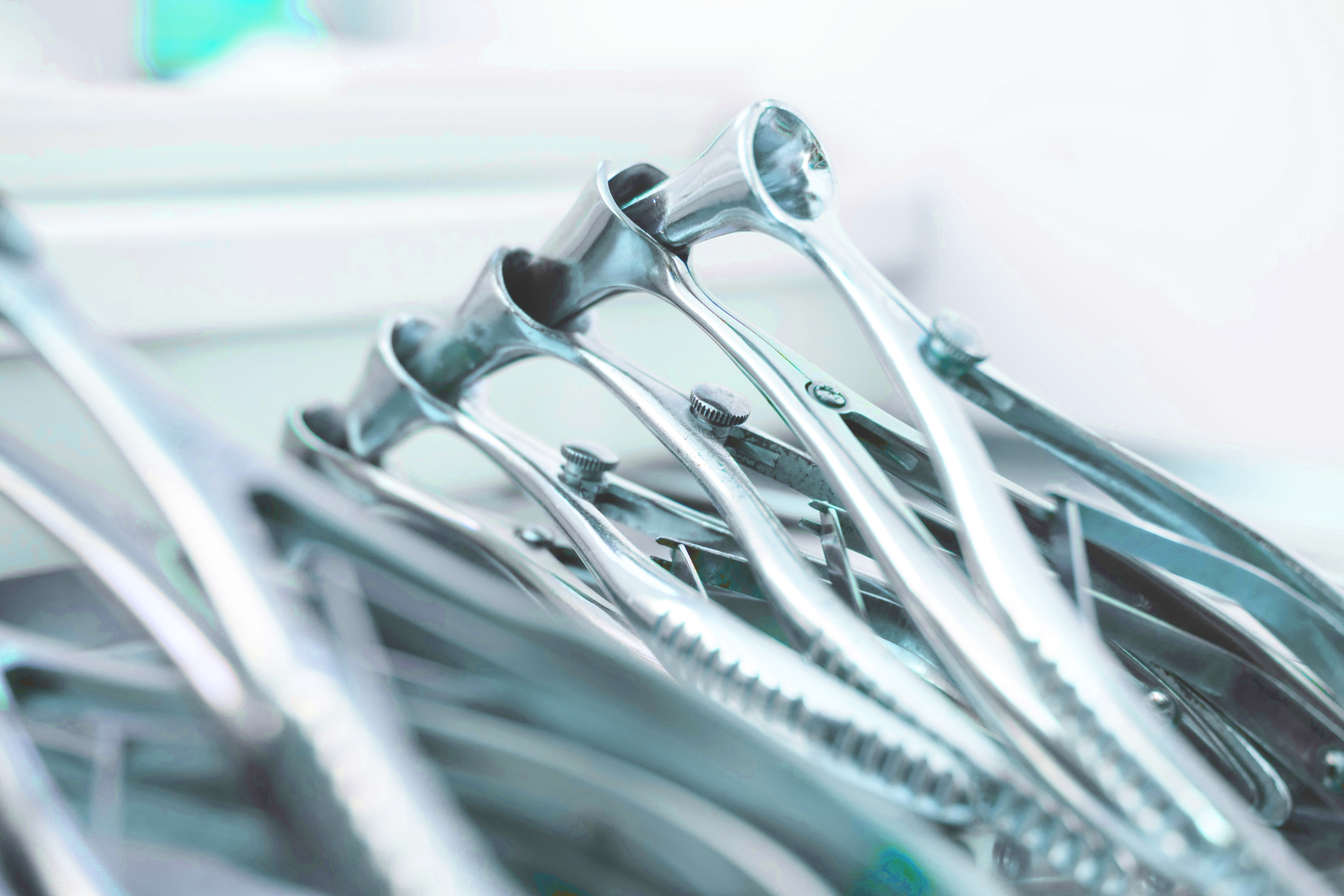
The reprocessing of medical devices in private practices is a distinct scenario. Typical characteristics include:
- A high proportion of semi-critical to critical instruments
- Daily use of mechanical processes (RDG, sterilizers)
- Frequent manual processes
- Often limited space
Practice owners and hygiene officers place particular emphasis on:
- Clear, practical work instructions
- Reproducible processes despite changing teams
- Audit-ready documentation and reliable evidence for validating manual and automated reprocessing
- Simple, structured, and practical processes
Outsourced Processing and Selection of Service Providers
Some healthcare facilities outsource the reprocessing of medical devices, either partially or entirely, to external service providers. From a quality management and technical perspective, the following criteria, among others, then become the focus:
- Demonstrable implementation of the KRINKO/BfArM recommendations, including the relevant annexes
- Meaningful certifications, e.g., ISO 9001 and ISO 134585
- Valid, traceable validation reports for the processes used
- Clear regulations regarding traceability, transport, temporary storage, and complaint management
Frequently Asked Questions About the Reprocessing of Medical Devices
What is meant by the reprocessing of medical devices?
The reprocessing of medical devices encompasses all steps involved in restoring a used device to a safe, functional medical device. This includes cleaning, disinfection, sterilization (if necessary), maintenance, functional testing, packaging, labeling, and documented release. The goal is a validated, reproducible process that meets the requirements of the KRINKO/BfArM recommendation, the Medical Device Operator Ordinance, and the MDR.
What happens during medical device reprocessing?
Specialists in medical device reprocessing manage the entire process: from receiving soiled instruments through manual or mechanical cleaning and disinfection to sterilization, packaging, labeling, and release. They work according to established standard operating procedures, document each reprocessing cycle, monitor process parameters, and apply validated procedures. In many facilities, test specimens and routine checks support the regular monitoring of cleaning performance and effectiveness.
How often must medical devices be tested for cleanliness?
The testing of medical devices is based on two pillars. First, during each reprocessing cycle, you check every instrument for cleanliness, integrity, and function before it is released. Second, you subject the underlying processes to regular performance verification: validation upon implementation, and requalification at specified intervals or following process changes. Requirements from KRINKO/BfArM recommendations, guidelines, standards, and industry-specific recommendations define the scope and frequency. Validation service providers such as SMP support these efforts with standardized concepts and appropriate test specimens.
In what order are instruments reprocessed?
The typical sequence for reprocessing medical devices is as follows: receipt and pre-sorting, pre-cleaning, manual or automated cleaning and disinfection, inspection and functional testing, maintenance, packaging, sterilization if necessary, storage, and documented release. For automated reprocessing processes, defined programs with clearly specified parameters are used, and their effectiveness is ensured through validation and regular requalification.
What are the hygiene requirements for the reprocessing of medical devices?
The hygiene requirements for the reprocessing of medical devices are derived primarily from the KRINKO/BfArM recommendation and the Medical Device Operator Ordinance. Requirements include, among other things, a risk classification of all instruments, suitable facilities and equipment, validated manual and automated processes, qualified personnel, up-to-date standard operating procedures, and complete documentation. Cleaning, disinfection, and sterilization procedures must be designed and monitored in such a way that there is no risk to patients or staff when the devices are used again.
What is the difference between manual and automated reprocessing of medical devices?
Manual reprocessing is based on manual steps such as brushing, rinsing, and immersion in cleaning and disinfection solutions. Validation guidelines also exist for manual procedures. Machine-based reprocessing uses cleaning and disinfection devices or endoscope reprocessing devices with programmed cycles, defined temperatures, times, and chemical dosages. Machine-based processes are generally easier to validate, standardize, and reproduce. For many semi-critical and critical products, KRINKO/BfArM recommendations and the Medical Device Operator Ordinance (MPBetreibV) require the use of validated automated processes.
What role do KRINKO and RKI recommendations play in the reprocessing of medical devices?
The KRINKO/BfArM recommendation on the reprocessing of medical devices defines the generally accepted state of the art in Germany. The Medical Device Operator Ordinance explicitly refers to this recommendation. For healthcare facilities and validation engineers, it thus serves as the benchmark for the design and evaluation of reprocessing processes. Those who consistently align their processes, validations, and requalifications with the KRINKO/BfArM recommendation and its appendices lay the foundation for legally compliant, audit-proof, and hygienically safe reprocessing.